A convergence of federal policy and enterprise deployments is pushing private fifth-generation (5G) wireless networks and edge artificial intelligence (AI) from laboratory settings into full-scale factory operations across the United States. Driven by the White House's "Winning the Race: America's AI Action Plan" - released on July 23, 2025, and encompassing more than 90 federal policy actions - and active grant programs from the National Telecommunications and Information Administration (NTIA), manufacturers are aligning capital programs with connectivity standards that prioritize supply chain resilience, low-latency automation, and cybersecurity governance.
Background
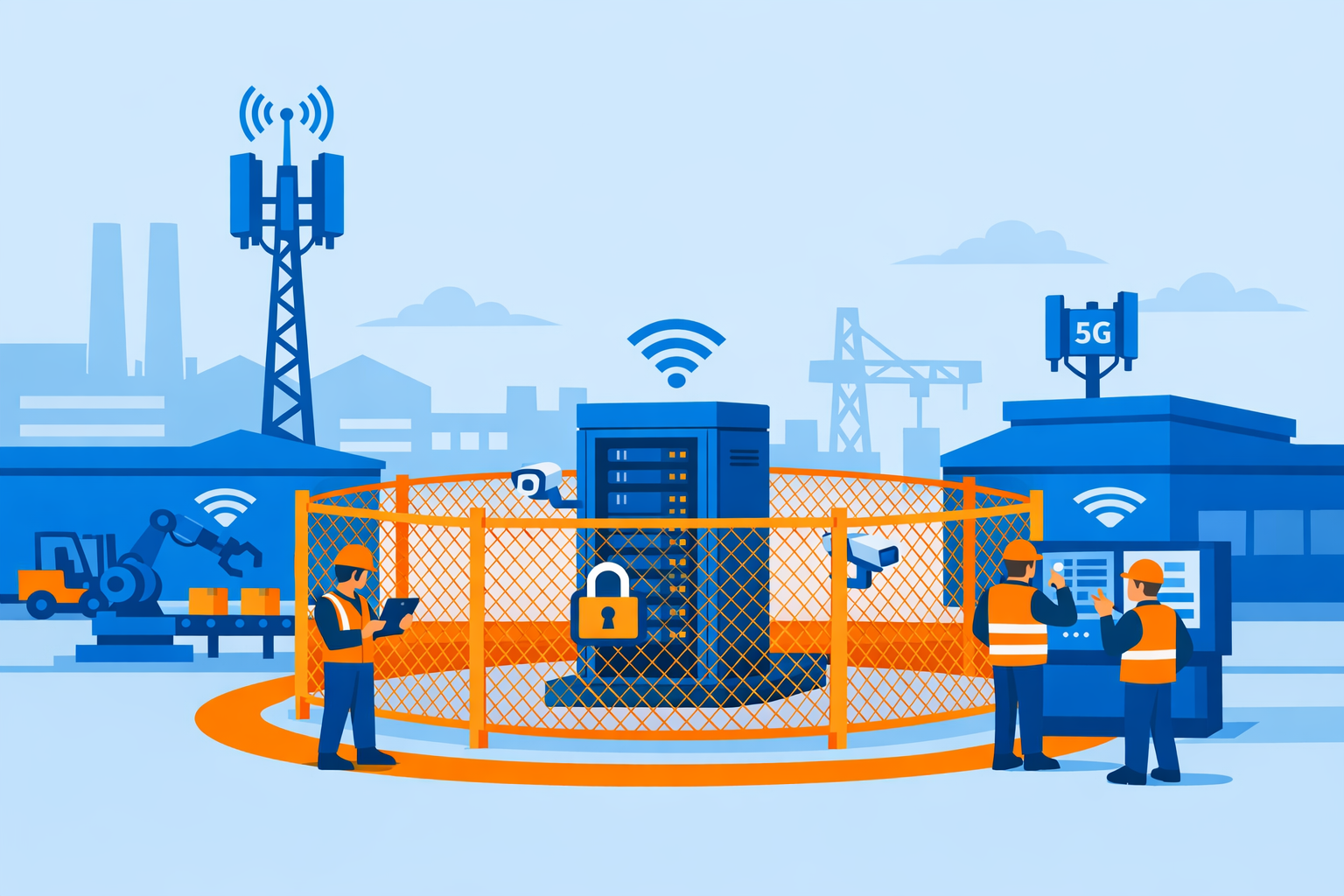
The federal push intensified after the White House published its AI Action Plan, which explicitly prioritizes manufacturing among sectors where AI, robotics, and related technologies create opportunities for novel capabilities in manufacturing and logistics, including applications in defense and national security, according to the plan. Separately, NTIA's Public Wireless Supply Chain Innovation Fund (PWSCIF) has issued multiple funding rounds targeting open-interface, interoperable 5G solutions for industry verticals, requiring applicants to submit cybersecurity management plans and demonstrate multi-vendor interoperability. These funding conditions are steering manufacturers toward vendor-neutral architectures built on open radio access network (Open RAN) standards rather than proprietary, single-vendor stacks.
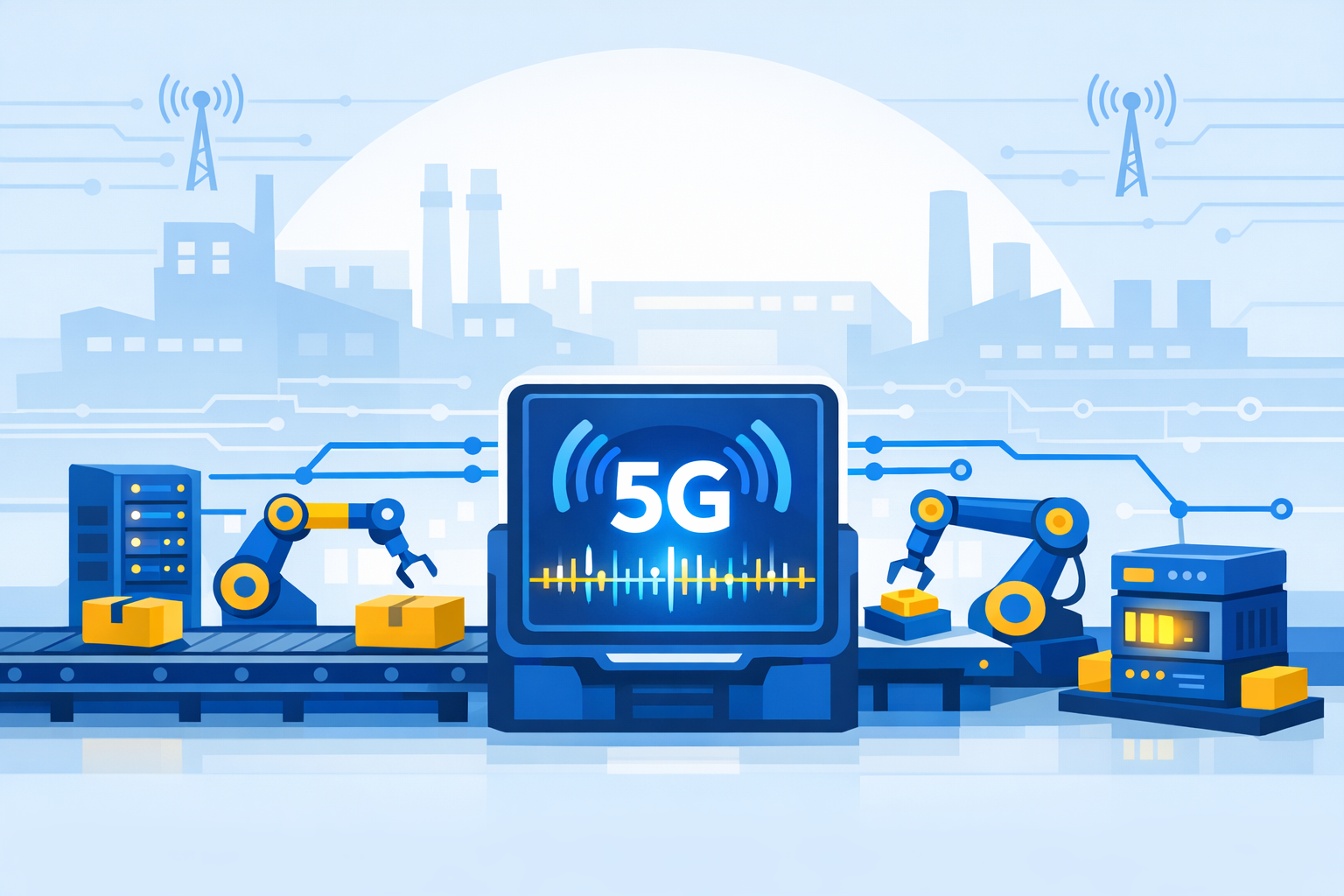
The performance case for private 5G in factory environments is well established. According to Ericsson, cloud-based processing typically introduces 200 milliseconds or more in latency, while private 5G paired with on-premise edge compute delivers around 10 millisecond response times - up to 40 times faster than cloud alternatives. That gap is critical for AI-driven quality inspection and autonomous mobile robotics, where decisions must occur within milliseconds at production speeds.
Details
The scale of current deployments underscores the shift from experimentation to enterprise rollout. In February 2026, NTT DATA announced that Cargill had successfully deployed NTT DATA's private 5G network across 50 manufacturing and processing sites globally, with the initiative launched in March 2025 and additional sites planned for completion in 2026. The majority of deployments are in the United States, with live deployments also active in Europe. Robert Greiner, Director of Platform Engineering at Cargill, noted that one private 5G access point covers the same area as approximately nine Wi-Fi access points, and installations yield a 70% reduction in cabling and setup costs.
Cargill's approach - deploying connectivity as shared infrastructure rather than building networks for individual applications - reflects a pattern industry analysts consider necessary for scalable ROI. Over 94% of industrial companies have deployed on-premise edge computing alongside their private wireless networks, according to GlobalData research, and 81% of industrial companies found their initial on-premise edge and private 5G setup was cheaper than other options, with over half saving at least 11%.
At the partnership level, NTT DATA and Ericsson announced a multi-year strategic agreement in February 2026 to deliver managed private 5G with edge AI at scale. The collaboration targets manufacturing use cases including automated quality inspection, predictive maintenance, and real-time safety monitoring using sensor and vision data. IDC Associate Vice President Alejandro Cadenas described the integration challenge directly: "Private 5G is the backbone for scaling AI in production, where autonomous systems must operate reliably and at scale, but integration complexity often remains the final hurdle."
Market data reflects accelerating momentum. The industrial AI market reached $43.6 billion in 2024 and is projected to grow to $153.9 billion by 2030, representing a compound annual growth rate of 23%, according to industry analysis. By 2025, more than 40% of large factories were running at least five production-grade AI models at the edge, up from 12% in 2023.
Outlook
Manufacturers pursuing NTIA grant funding face compliance requirements around cybersecurity risk management, vendor interoperability, and workforce training - conditions reshaping procurement criteria toward platforms supporting open application programming interfaces (APIs) and modular compute architectures. The White House AI Action Plan also earmarks federal investment for next-generation manufacturing technologies and tasks the CHIPS Program Office with integrating AI tools throughout semiconductor production processes. As deployments mature through 2026, operators are expected to prioritize platforms that support cross-facility data governance and measurable uptime improvements - the metrics regulators increasingly use to evaluate grant performance and extend future funding eligibility.