Modular automation cells integrated with interoperable digital twins are transforming factory line design, enhancing predictive maintenance, dynamic reconfiguration, and cross-vendor compatibility.
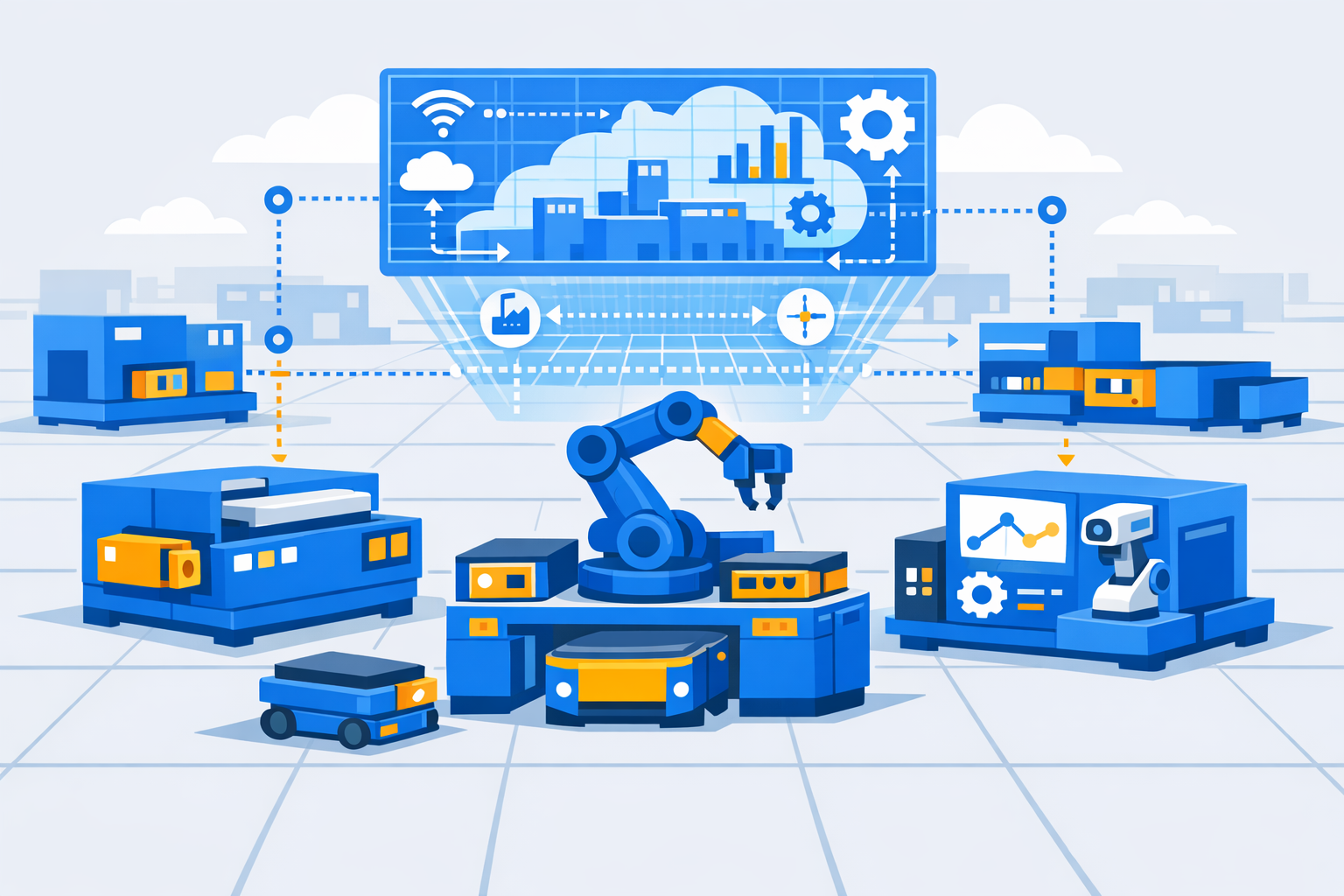
Manufacturers in automotive, consumer electronics, and consumer packaged goods sectors increasingly implement modular automation using vendor-neutral cells and digital twins to synchronize physical assets with virtual representations. This integration improves uptime and operational flexibility. Predictive analytics applied to digital twins has reduced machine downtime by 30-50% and maintenance costs by 10-40%. Firms report ROI within three to six months, with full transformation benefits realized in 12-36 months. These results indicate a shift in ROI timelines for modular manufacturing systems with digital twin integration.
Background
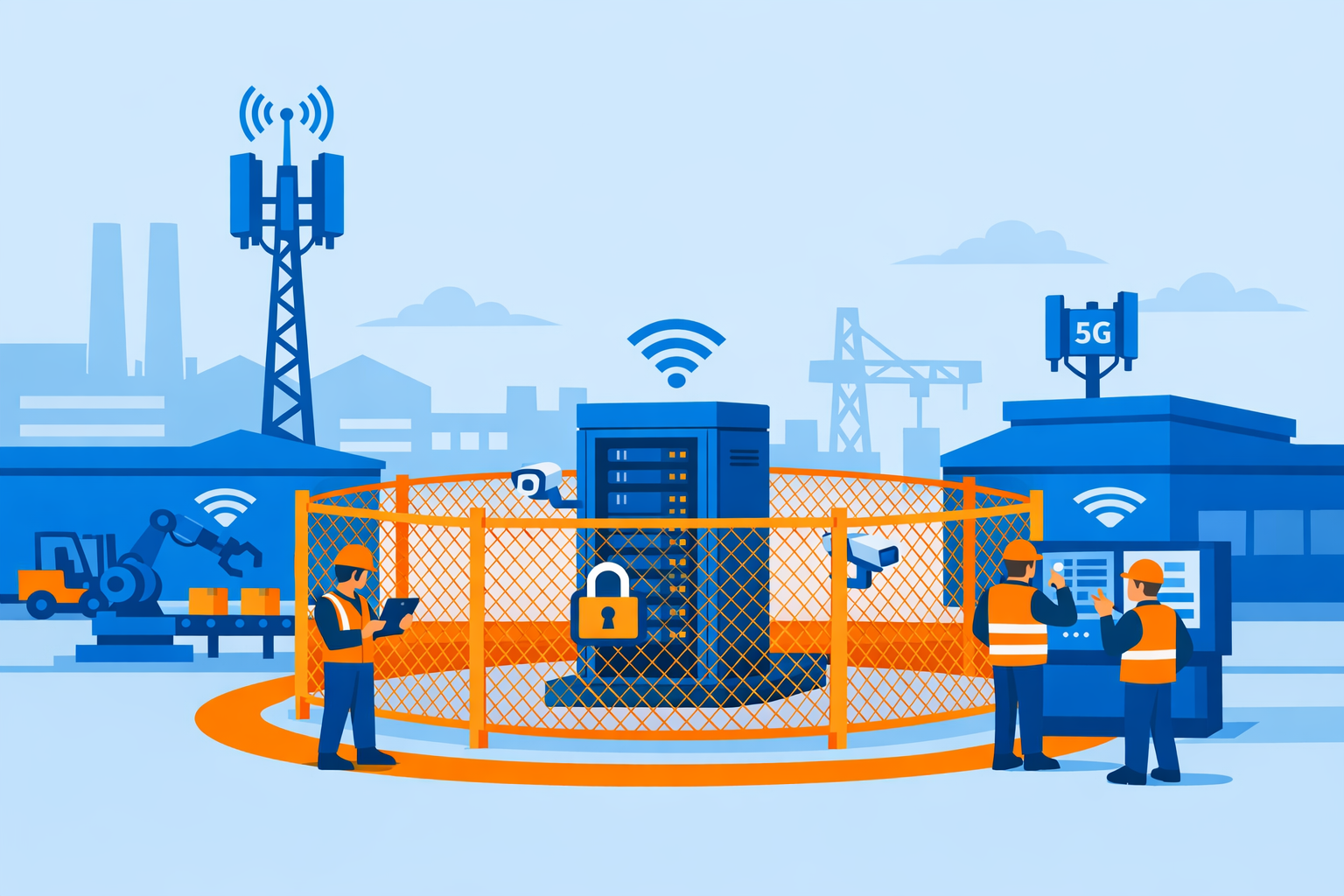
The move to modular factory systems addresses the need for agility and cost efficiency amid supply chain disruptions and changing product cycles. Industry 4.0 frameworks highlight interoperability, with the Asset Administration Shell (AAS) enabling bidirectional data exchange between varied assets and their digital twins. This is critical for orchestrating multi-vendor systems in smart factories. Security for digital twins is now a major concern, as connectivity increases attack surfaces in operational technology (OT). Recent studies indicate cybersecurity digital twins-AI-powered virtual models-can detect and isolate anomalies and cyber threats in real time. These developments are accelerating the adoption of modular, digitized automation.
Details
Digital twin deployments routinely cut downtime by up to 50% and significantly lower maintenance costs by leveraging predictive analytics and sensor-based monitoring. Case studies show modular architectures combining cloud-enabled twins with existing equipment can deliver ROI within six months, with additional gains such as energy optimization and improved planning evident within three years. AAS-based platforms enhance interoperability; for example, a recent demonstration coordinated KUKA industrial robots and MiR mobile robots through a shared AAS layer, utilizing REST APIs and MQTT messaging to synchronize tasks without custom integration. In cybersecurity, hybrid cyber-digital twin models now embed intrusion detection, anomaly recognition, and explainable AI to boost OT resilience.
Outlook
As standards like ISO 23247 and AAS-based interfaces develop, manufacturers can scale modular digital twin strategies across diverse vendor lines. Strengthened cybersecurity frameworks and real-time monitoring will further adoption. Workforce training will need to advance in systems integration, digital modeling, and secure automation management.