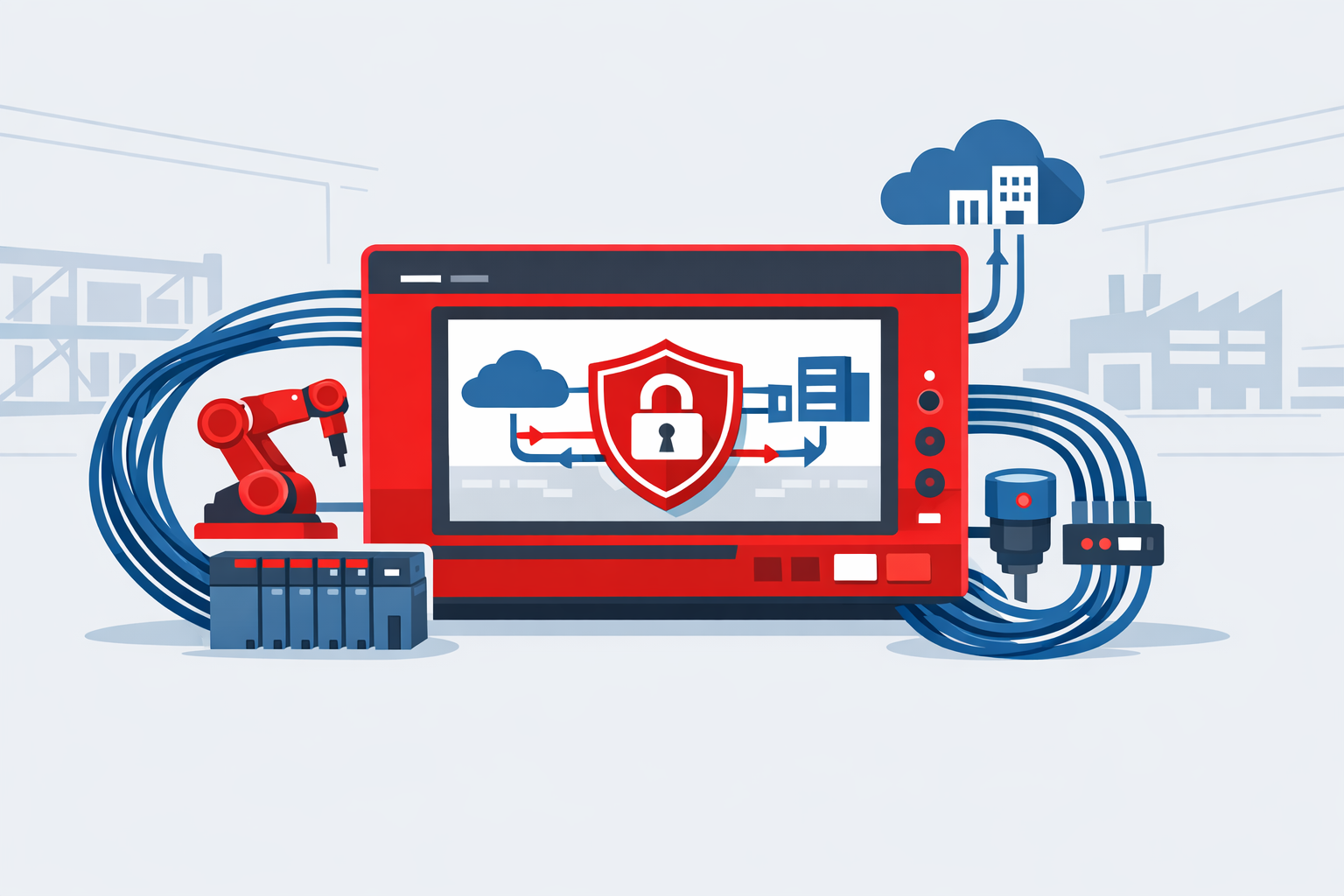
Mitsubishi Electric has launched its GOT3000 human-machine interface (HMI) globally, positioning the device as a secure gateway between factory-floor operational technology (OT) and higher-level information technology (IT) systems - a capability manufacturers and system integrators have increasingly demanded as industrial digital transformation accelerates.
The GOT3000 addresses one of the most complex challenges in modern plant modernization: enabling real-time data exchange across historically isolated network domains without exposing production systems to enterprise-level cyber threats.
Background
The convergence of OT and IT environments has become a defining challenge for manufacturing operations worldwide. Manufacturing remains the most ransomware-targeted sector, with attacks rising 61% in 2025 and costing an average of $1.9 million per day in downtime. OT/IT convergence expands the attack surface by connecting previously air-gapped industrial control systems to enterprise networks, cloud platforms, and third-party integrations.
HMIs sit at the intersection of this risk. Connecting operators to industrial control systems, HMIs are typically networked to various IT infrastructures. Accessibility from internet-facing business networks poses a direct risk to industrial control system (ICS) security, making HMIs susceptible to IP-based vulnerabilities including authentication bypass, weak session management, and insufficient control traffic encryption.
While IT equipment is replaced every few years, OT systems run for decades. Manufacturing facilities commonly operate equipment from the 1990s or early 2000s that was never designed with cybersecurity in mind, predating modern threats and often lacking basic capabilities like encryption, authentication logging, or network security features.
Product Details
The GOT3000 supports OPC UA Client, OPC UA Server, and cloud connectivity, enabling data integration between IT and OT layers and communication with a wide range of factory automation devices. OPC UA (Unified Architecture) is the IEC 62541-based open standard for industrial interoperability, widely adopted to enable vendor-agnostic data exchange between control systems and enterprise software.
Secure remote access is supported through encrypted communication, data encryption, and a built-in VPN, enabling centralized cloud-based management of multiple devices for remote maintenance and predictive monitoring. Additional features include a built-in web browser for configuring and monitoring equipment without a PC, NFC contactless tag reading, USB-C connectivity, USB camera support, and built-in HDMI output.
Compatibility with Mitsubishi Electric's new MX Controller - an all-in-one high-specification motion and digital control platform - streamlines HMI-to-controller communication while reducing engineering overhead. Support for a wide variety of connectivity standards, including the CC-Link IE TSN industrial network and legacy systems, ensures the GOT3000 fits into a broad range of production environments.
The GOT3000 became available globally in May 2026. Target industries include automotive, semiconductor, material handling, and pharmaceuticals.
Go Wakamatsu, General Manager of the HMI System Department at Mitsubishi Electric, stated: "With the GOT3000, we're enabling customers to advance their digital transformation with confidence, combining advanced performance with trusted engineering to drive the next generation of smart production."
The device draws on over 12 years of HMI design expertise and feedback from thousands of users, according to the company.
Deployment Considerations and Outlook
The security implications of deploying a networked HMI as an OT-IT gateway are significant for plant operators and system integrators. Only 19% of manufacturing firms are considered "advanced" in securing their IT/OT environments. Cultural misalignment between IT and OT teams is identified as one of the areas firms are least prepared to address, with 62% having faced availability disruptions typically costing between $200,000 and $2 million per incident.
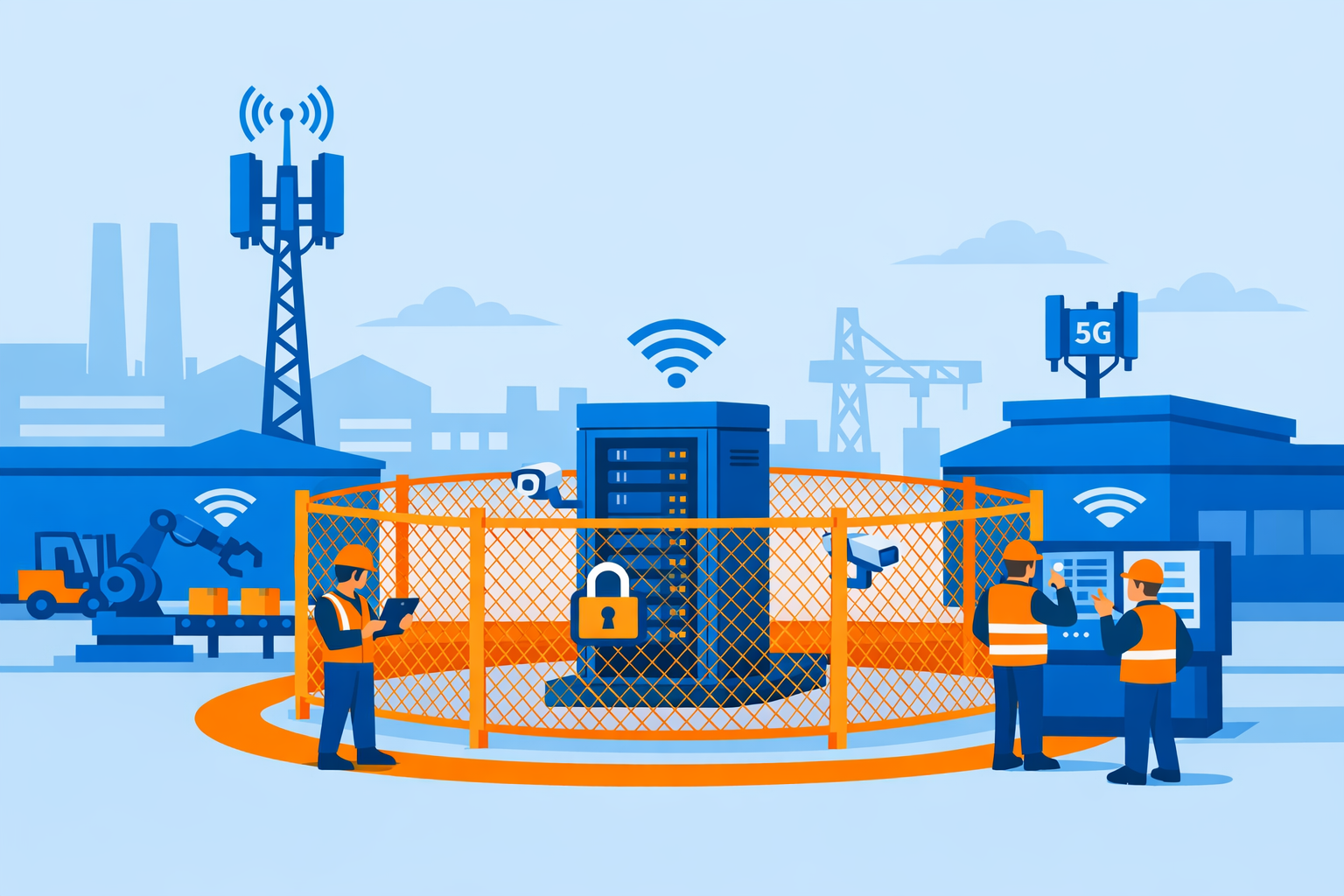
Industry compliance frameworks provide guidance for deployments of this type. Network segmentation following the ISA/IEC 62443 zones-and-conduits model is widely cited as the single most effective defense against lateral movement from IT into production environments. The GOT3000's built-in VPN and encrypted communication align with such frameworks, though organizations will need to verify that network architecture, access policies, and patch management practices are updated concurrently with any hardware deployment.
Manufacturing is the most ransomware-targeted industrial sector, and the architectural conditions that make it so - shared IT/OT domains, integrated systems, and heavy reliance on remote access - are not going away. What can change is visibility, segmentation, and preparedness. The GOT3000's adoption across mid-market and enterprise plants will depend, in part, on whether system integrators can deploy its OPC UA and VPN capabilities within properly segmented network architectures rather than simply replacing older panels on flat, unsegmented plant networks.