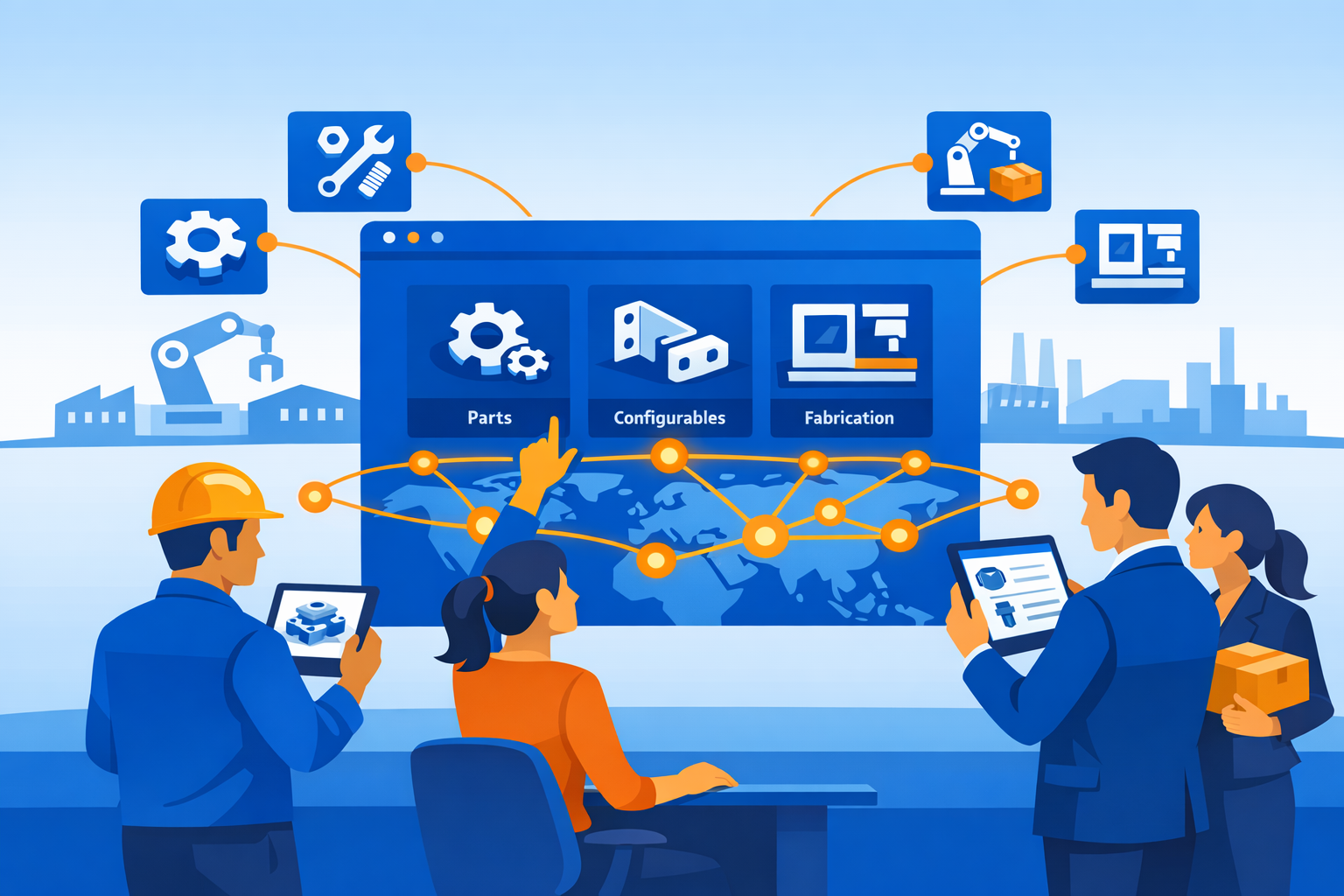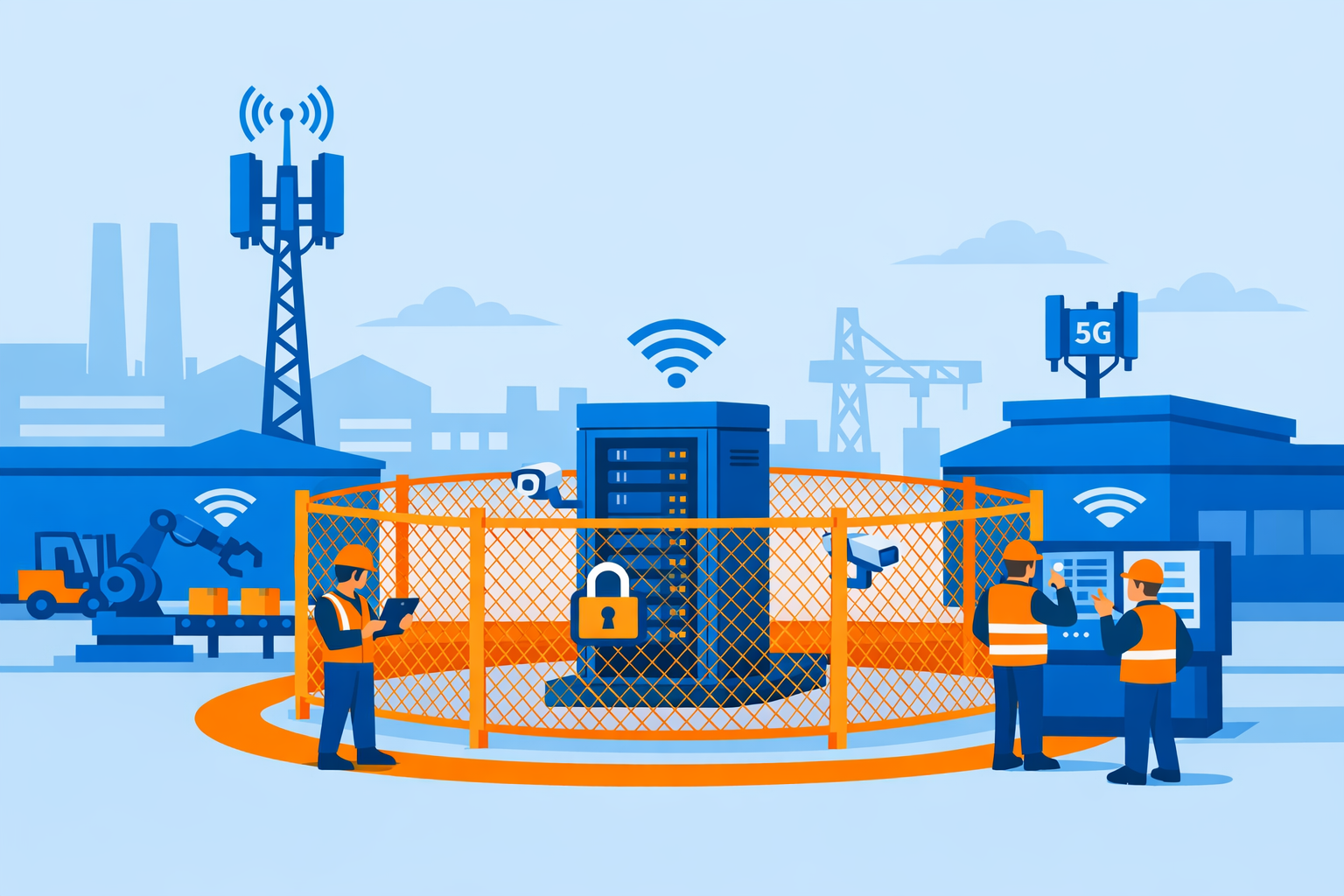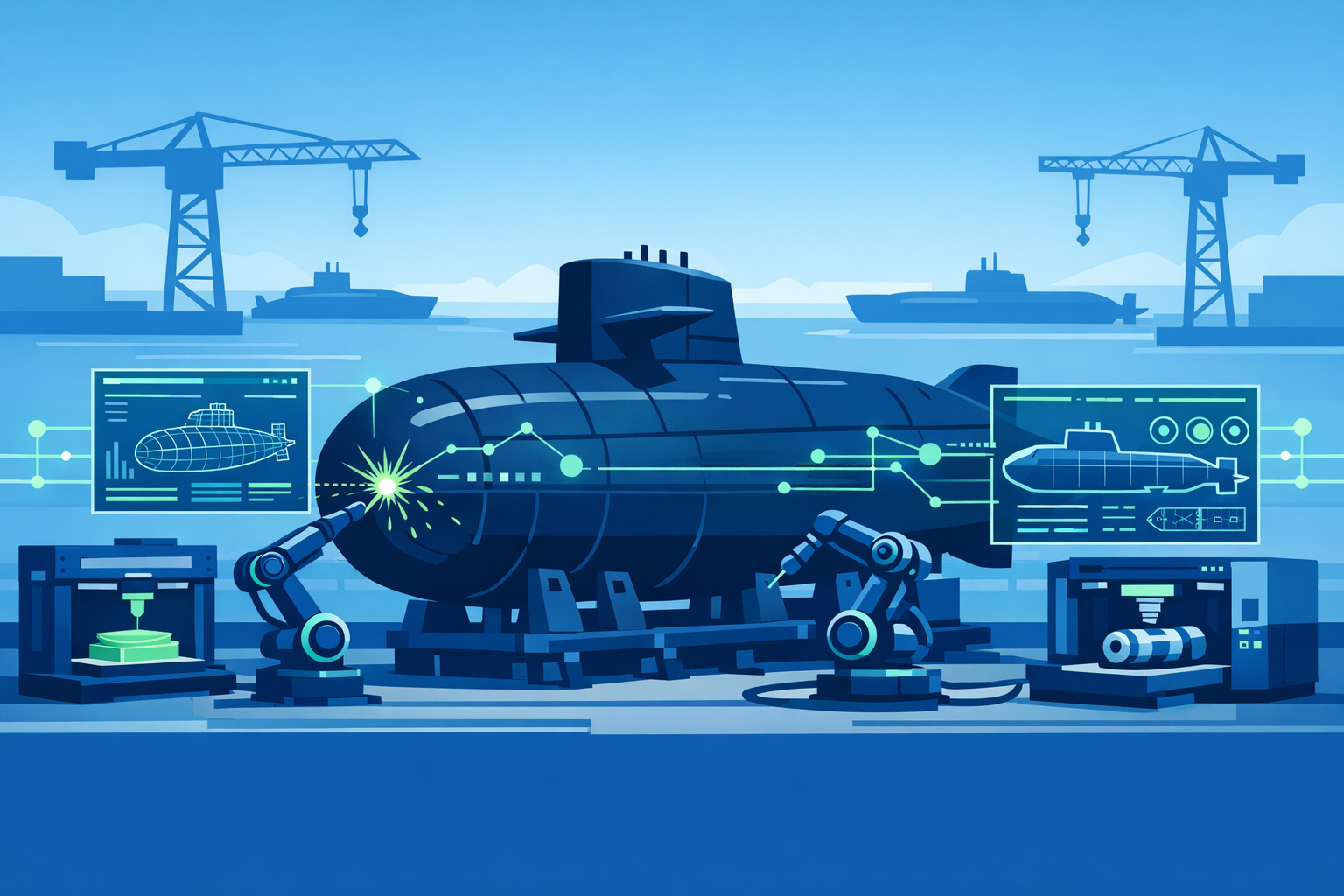
The U.S. Navy has implemented AI-driven automation to expedite submarine production, signaling a shift with potential impact on advanced manufacturing in civilian industries. In December 2025, the Navy invested $448 million in the Shipbuilding Operating System (Ship OS), a platform designed to integrate artificial intelligence and autonomy into submarine shipyards. Ship OS aggregates data from enterprise resource planning (ERP) systems, legacy platforms, and operational processes to eliminate bottlenecks and improve decision-making. In pilot implementations, Electric Boat reduced schedule planning from 160 manual hours to under 10 minutes, while Portsmouth Naval Shipyard shortened material review times from several weeks to under an hour. The initiative now aims to transfer lessons from the Submarine Industrial Base to broader surface vessel construction.
Background
The Ship OS initiative responds to the Navy's requirement for wartime production speed, driven by competition from China's automated shipyards. Navy Secretary John Phelan emphasized that U.S. yards must "act like we're at war" to overcome delays, supply chain constraints, and outdated technology. Concurrently, digital twin systems are being integrated into next-generation SSN(X) submarine designs from the outset, merging real-time sensor data, physics simulation, and machine learning.
The Department of Defense has supported both advanced additive manufacturing (AM) capabilities at Austal USA and AI-guided shop floor automation, enhancing throughput for Columbia- and Virginia-class modules. The Defense Logistics Agency placed its first stock order for submarine AM parts on April 29, 2025, indicating the move from experimentation to operational production.
Software-defined factories have emerged as a specific sector in defense manufacturing. Venture-backed, AI-native firms generated approximately $150 million in annual revenue in 2025, with projections reaching $1.8 billion by 2030.
Details
Ship OS is managed centrally by the Maritime Industrial Base Program and NAVSEA, aiming to unify fragmented data systems and improve visibility and risk management. Initial rollouts have produced substantial productivity improvements. Production environments now include AI-assisted non-destructive testing, robotic welding, and forward-deployed AM printers at several shipyards, according to the 2025 Maritime Industrial Base Program Year-in-Review.
Digital twin technologies are increasingly embedded in design workflows at the Naval Surface Warfare Center, providing predictive modeling and process optimization via machine learning. The Navy's Office of Industrial Base Policy has awarded $20 million to Austal USA for serialized AM and metal forming for hard-to-source components, addressing supply chain vulnerabilities.
A recent market analysis indicates that near-term adoption of AI-enabled, software-defined factories is most viable in depot-level sustainment and low-rate production. High-volume manufacturing sectors will require further technical validation before widespread implementation.
Outlook
Civil sectors-such as shipbuilding, aerospace, and heavy machinery-are expected to replicate these AI-driven automation tactics, adopting digital twins, robotics, advanced testing systems, and phased pilot programs. Firms pursuing modernization parallel to defense standards will require robust governance of data quality and key performance indicators, structured pilots to demonstrate return on investment, and deployment strategies that balance cost considerations with operational risks.