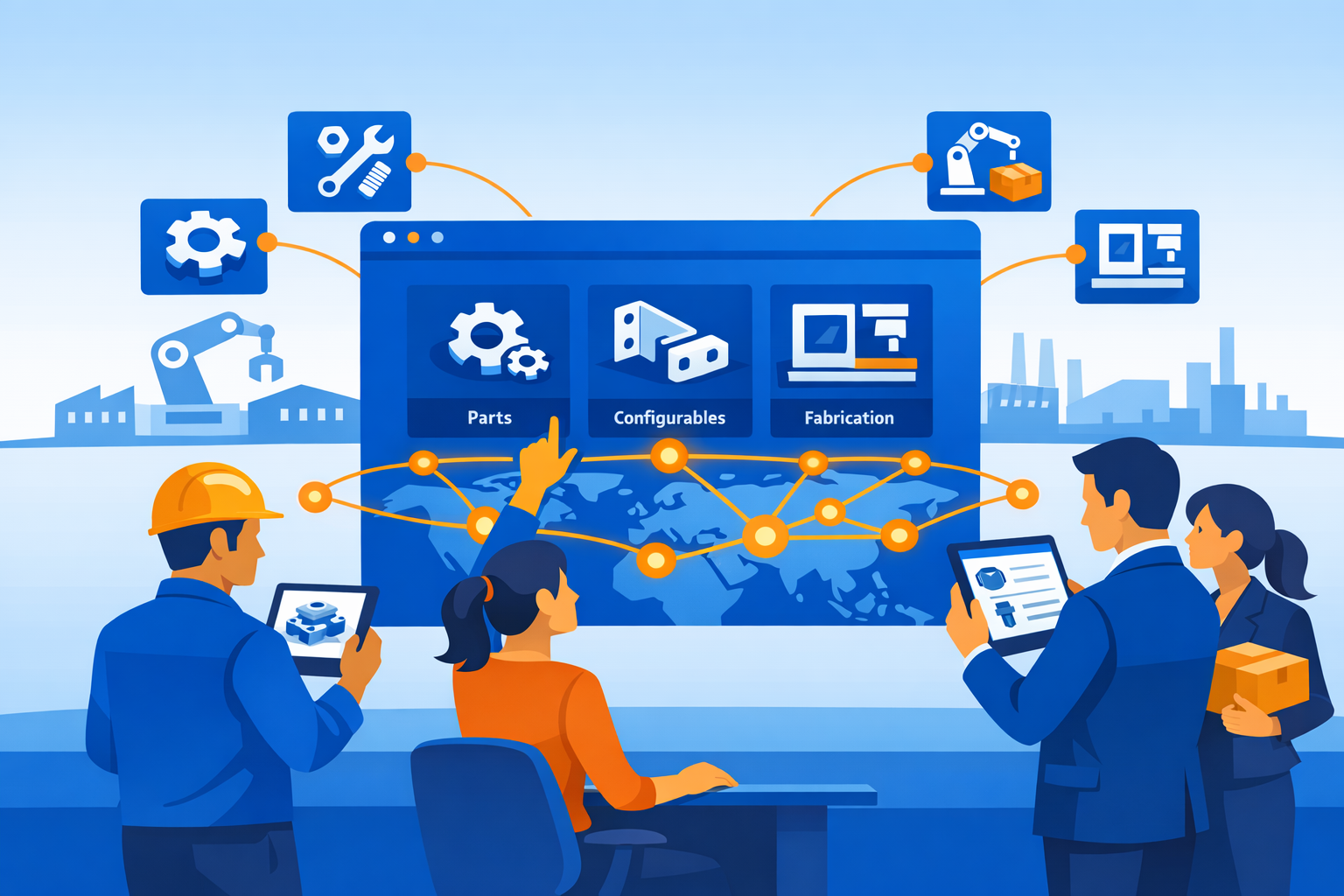
Software-defined motion control (SDMC) platforms are moving beyond large-enterprise pilot programs into mid-sized manufacturing facilities, driven by open communication frameworks that enable cross-vendor integration without hardware lock-in. The shift is reshaping procurement strategies, commissioning timelines, and total cost of ownership (TCO) calculations for plant operators in packaging, material handling, and machine tending.
Background
For much of the past decade, software-defined automation-decoupling control logic from proprietary hardware-remained concentrated in tier-one automotive and semiconductor facilities where capital budgets could absorb integration complexity. Mid-sized manufacturers, constrained by smaller engineering teams and tighter retrofit budgets, largely relied on closed, single-vendor motion stacks.
That boundary is eroding. The global motion control market was valued at USD 16.57 billion in 2024 and is projected to reach USD 21.63 billion by 2029, at a compound annual growth rate of 5.5%, according to MarketsandMarkets. Analysts at Mordor Intelligence attribute the expansion to manufacturers migrating from hydraulic and pneumatic actuation toward electrified, software-configurable solutions that enable real-time data capture alongside precise positioning.
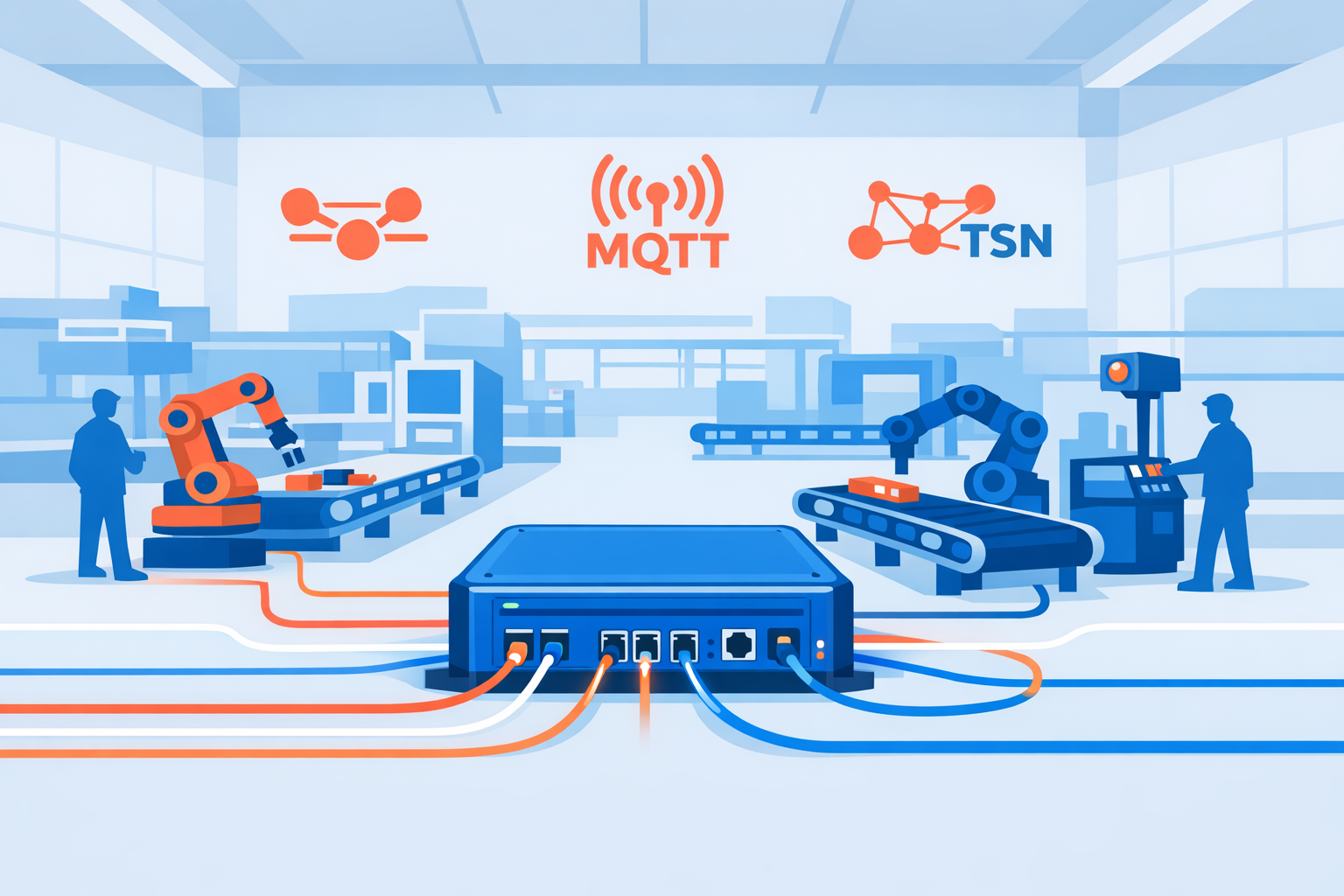
The commercial availability of affordable, open-standard controllers has been a critical enabler. Industrial networks are generally no longer locked into a specific hardware or communication protocol choice, according to Control Design, which notes that vendor-specific designs have largely given way to open communication protocols backed by non-profit industry bodies. Protocols including OPC UA, MQTT, and time-sensitive networking (TSN) now form the foundation of interoperable motion architectures at facilities of varying scale.
Details
The Automate 2025 exhibition in May offered a concrete illustration of SDMC reaching the factory floor at accessible price points. Vention, a Montreal-based automation platform vendor, unveiled MachineMotion AI, its third-generation controller designed to unify motion, sensing, vision, and AI on a single plug-and-play device. MachineMotion AI is accelerated by the NVIDIA Jetson Orin computing platform and controls robots, conveyors, sensors, and vision systems through a single unit with cellular connectivity, according to Robotics 24/7. The system demonstrated machine tending cells compatible with ABB, FANUC, and Universal Robots hardware simultaneously-a direct challenge to single-vendor controller architectures. Vention CEO Etienne Lacroix stated at Automate 2025 that "AI-robotics operators are now successfully executing complex bin picking and machine tending with both simplicity and affordability".
In packaging, Siemens Industry's production machines unit has reported that physics-based digital twins, running simulated code in virtual programmable logic controllers (PLCs), enable engineers to validate complete machine and process lines before physical commissioning begins. According to Automation World, AI-based motion training programs now simulate multiple synchronous motion functions and suggest optimal parameters to increase production speeds while reducing mechanical wear. Electric actuators in packaging applications can reduce operational costs by 75% compared to pneumatic equivalents while providing self-diagnostic capabilities, the same report noted.
On the standards front, software-defined automation (SDA) uses open protocols such as OPC UA and MQTT to break down data silos and bring DevOps practices to the factory floor, according to Control Design. Mark Collins, senior engineer at Mazak, told the publication that OPC UA, MTConnect, EtherNet/IP, and PROFINET will co-exist in SDA environments, with mandatory interoperability requirements progressively diminishing vendor-specific protocols. Meanwhile, TSN-a set of IEEE 802.1 standards-allows critical motion commands and non-critical data such as video feeds to travel over the same cable without interference, making it a baseline requirement in many factory and plant applications, according to Control Design's TSN analysis.
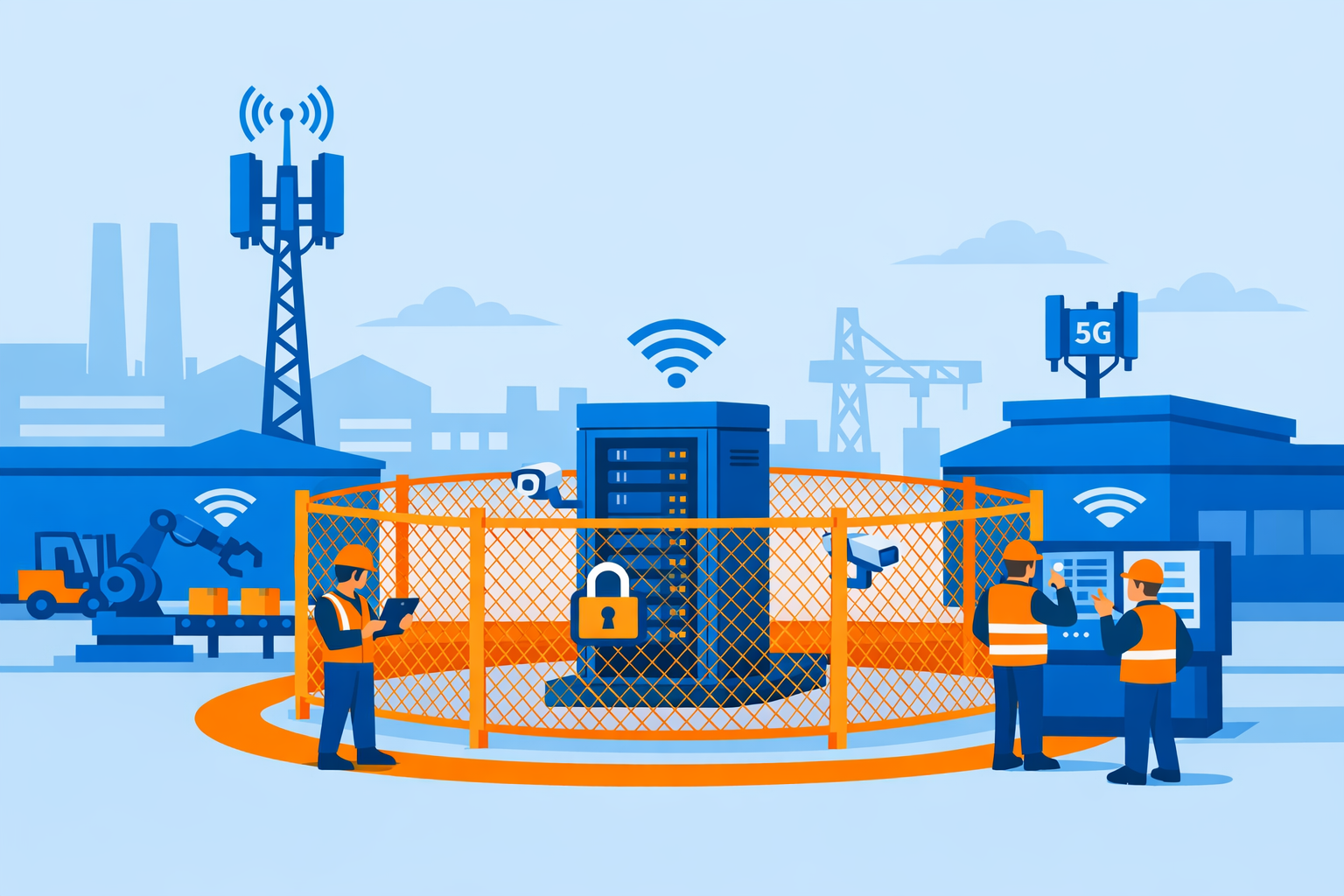
IT/OT network convergence is central to SDMC deployment. SDA allows IT systems such as enterprise resource planning (ERP) or manufacturing execution systems (MES) to directly access real-time data from shop floor equipment, according to Control Design-a capability previously dependent on costly middleware layers.
Interoperability claims require scrutiny at the facility level, however. Control Design reported that while open communication protocols now dominate at the network layer, true system interoperability for machinery integrating with legacy industrial networks requires careful consideration of hardware, I/O, and existing factory standards to avoid future complications. Schunk's mechatronics team lead Harrison Davis recommended standardizing robots, control systems, communication protocols, and end-of-arm tooling as the most practical path to cross-machine compatibility in brownfield environments.
Outlook
Skills gaps represent the most immediate friction point as SDMC adoption broadens. According to Power & Motion, many packaging machine builders are collaborating with trade schools to help recruit and retain skilled workers, while also offering internal training programs to address workforce needs created by new automation platforms. Vention responded directly to this challenge at Automate 2025 by launching MachineBuilder 101, an online robotics certification course priced at USD 40 covering design, simulation, and deployment on its platform.
Analysts expect the next 18 months to test whether open-framework SDMC can sustain reliability benchmarks across mixed-vendor environments at scale. Standards bodies are developing infrastructure for deterministic OT communication and IT-level data transfer over a single network, though industry observers note the transition remains incomplete. With 83% of producers planning to embed generative AI on the plant floor, motion-control firmware is incorporating predictive algorithms that schedule maintenance, balance loads, and self-tune servo gains, according to Mordor Intelligence-capabilities that depend on the OT/IT data pipelines SDMC is designed to open.